
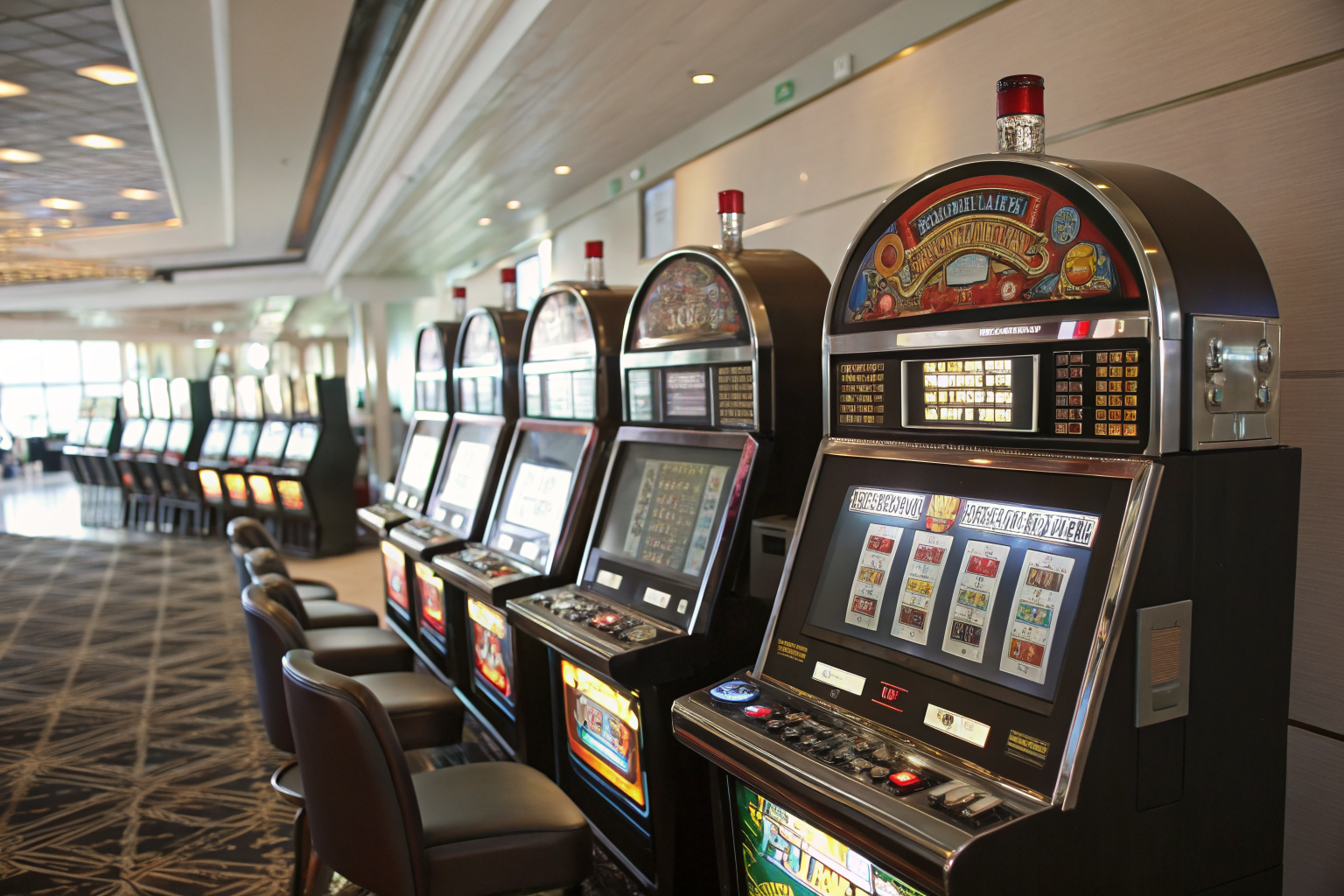
Progressive jackpot slots represent a fundamentally different category of casino games where the top prize grows continuously until someone wins. Unlike traditional slot machines with fixed maximum payouts, progressive slots feed a portion of every wager into an ever-increasing jackpot pool. This raises immediate questions about where this money originates, how it accumulates, and what happens when the jackpot finally pays out.
The mechanics behind progressive jackpots involve intricate network pools that can link hundreds or thousands of machines across multiple casinos, seed amounts that prevent jackpots from starting at zero after payouts, and sophisticated reset systems that keep the cycle running. Understanding these operational elements reveals how massive prizes develop and why some jackpots reach millions while others remain relatively modest.
What a Progressive Jackpot Slot Is
Progressive jackpot slots differ from standard slot machines in their prize structure and payout mechanics. While conventional slots offer fixed maximum payouts based on the paytable, progressive slots feature a continuously growing jackpot that increases with every wager placed. The jackpot meter displays the current prize amount in real-time, creating a dynamic prize pool that can reach substantial sums before being won.
The fundamental distinction lies in how the top prize is funded and distributed. Fixed payout slots draw winnings from the casino’s immediate funds or the game’s mathematical model, while progressive slots accumulate contributions from multiple players over extended periods. This accumulation process allows jackpots to grow far beyond what any single gaming session could generate.
When a progressive jackpot is won, the prize pool doesn’t return to zero but resets to a predetermined seed amount. This reset mechanism ensures that the next jackpot cycle begins with an attractive base prize, maintaining player interest while the new accumulation period starts. The jackpot meter immediately reflects this reset value and begins climbing again as new wagers contribute to the pool.
The post-win reset process involves careful financial coordination between software providers, casino operators, and sometimes multiple gaming jurisdictions. The seed amount comes from pre-allocated funds rather than requiring a completely fresh start, ensuring seamless continuity in the progressive jackpot experience.
How a Progressive Jackpot Grows Over Time
Every eligible wager on a progressive slot machine contributes a small percentage to the jackpot pool through automatic deductions from the bet amount. These contributions typically range from 1% to 5% of each qualifying wager, though the exact percentage varies by game and operator. The accumulated funds flow continuously into the shared prize pool, causing the jackpot meter to increase in real-time as players across the network place bets.
The growth rate depends directly on the volume of wagering activity across all linked machines. During peak gaming periods, jackpots can climb rapidly as hundreds of players simultaneously contribute to the pool. Conversely, during slower periods, the growth rate decreases proportionally to the reduced betting activity.
Why Progressive Jackpots Reset After Payouts
Progressive jackpots reset using predetermined seed amounts rather than starting from zero to maintain player appeal and ensure the next jackpot cycle begins immediately. The seed amount typically represents a substantial prize in its own right, often ranging from tens of thousands to hundreds of thousands of dollars depending on the network scope. This approach prevents the psychological barrier of extremely small starting jackpots that might discourage participation.
Seed funding comes from revenue allocated specifically for this purpose by software providers or casino operators, separate from the ongoing player contributions. The reset mechanism activates automatically upon jackpot payout, instantly establishing the new base amount and resuming the accumulation process without interruption.
Network Pools and Linked Machines
Progressive jackpot networks operate through sophisticated linking systems that connect multiple machines across various scales and geographic boundaries. Local progressives link machines within a single casino or gaming venue, while wide-area networks connect multiple casinos within a state or region. The most extensive networks span multiple states or even international boundaries, creating massive prize pools through unprecedented scale.
The scope of machine linking directly impacts both the speed of jackpot growth and the ultimate prize potential. Larger networks generate faster accumulation rates due to increased wagering volume, but they also create more competition among players for the same jackpot. Network operators must balance growth speed against win frequency to maintain optimal player engagement.
Multi-network pools represent the largest category, often managed by major software providers who coordinate jackpots across numerous casino partners. These arrangements require complex revenue-sharing agreements and real-time financial coordination to ensure accurate meter displays and proper fund distribution when jackpots are won.
| Pool type | Where it is linked | Typical scale | Prize growth pattern |
|---|---|---|---|
| Local Progressive | Single casino floor | 10-50 machines | Steady, moderate growth |
| Wide-Area Network | Multiple casinos in region | 100-500 machines | Faster accumulation rate |
| Multi-State Pool | Across state boundaries | 1,000+ machines | Rapid growth to millions |
| International Network | Multiple countries/regions | 5,000+ machines | Exponential growth potential |
Local vs. Wide-Area vs. Multi-State Pools
Local progressive pools operate within the confines of a single gaming establishment, linking machines on the same casino floor or within the same gaming complex. These pools typically involve 10 to 50 machines and generate jackpots that grow steadily but remain within predictable ranges. The advantage lies in higher win frequency due to the smaller player base competing for each jackpot.
Wide-area progressives expand the network to include multiple casinos within a geographic region, often spanning an entire state or gaming jurisdiction. These networks can encompass hundreds of machines across dozens of venues, creating substantially larger prize pools while maintaining reasonable win frequencies. The shared pool size increases dramatically compared to local progressives.
Multi-state pools represent the largest scale of progressive jackpot networks, connecting thousands of machines across multiple jurisdictions and creating the potential for jackpots worth tens of millions of dollars. These networks require complex interstate agreements and sophisticated technical infrastructure to manage real-time contributions and prize distribution across multiple regulatory environments.
How Prize Distribution Is Funded
Progressive jackpot funding operates through systematic collection of wager contributions combined with predetermined funding commitments from operators and software providers. Each qualifying bet automatically contributes a specified percentage to the jackpot pool, while additional funding sources ensure adequate liquidity for large payouts. The funding mechanism must account for multiple prize tiers in tiered jackpot systems and maintain sufficient reserves for simultaneous payouts across different network levels.
Revenue sharing agreements between casino operators and software providers determine responsibility for different funding components, including base contributions, seed amounts, and administrative costs. These agreements specify contribution rates, maximum liability limits, and procedures for handling exceptional circumstances like multiple rapid payouts.
Step-by-Step Jackpot Funding Flow
- Player places qualifying wager on progressive slot machine, triggering automatic contribution calculation
- System deducts predetermined percentage from bet amount and allocates funds to appropriate jackpot tier
- Contribution flows into shared network pool, updating jackpot meter display across all linked machines
- Pool accumulates contributions from all network participants until jackpot trigger event occurs
- Winning event initiates payout verification and prize distribution protocols
- System resets jackpot to seed amount using pre-allocated funds and resumes accumulation cycle
Who Actually Pays the Jackpot
Jackpot payment responsibility varies depending on the network structure and contractual arrangements between involved parties. In provider-funded models, the software company that operates the progressive network assumes liability for jackpot payouts using accumulated player contributions and company reserves. Casino operators in this arrangement facilitate the games but transfer payout responsibility to the provider.
Operator-funded models place payout responsibility directly on the casino or casinos hosting the progressive machines. These venues collect player contributions and maintain jackpot reserves, assuming full liability for prize payments. Pooled payout systems involve multiple operators sharing jackpot liability proportionally based on their network participation level and contribution volume.
Contribution Rates, Seeds, and Caps
Progressive jackpot mechanics rely on carefully calibrated contribution rates, seed amounts, and maximum caps to balance player appeal with operational sustainability. Contribution rates determine how quickly jackpots grow, while seed amounts establish attractive starting points for new jackpot cycles. Maximum caps prevent jackpots from reaching unsustainable levels that could threaten operator solvency or create regulatory concerns.
These parameters vary significantly across different progressive networks and game types, reflecting diverse operational strategies and target player demographics. Higher contribution rates accelerate jackpot growth but reduce the base game return to player percentage, requiring careful balance to maintain overall game appeal.
| Mechanic | What it means | Typical range or effect |
|---|---|---|
| Contribution Rate | Percentage of each bet added to jackpot | 1% to 5% of qualifying wagers |
| Seed Amount | Starting value after jackpot reset | $10,000 to $1,000,000+ |
| Maximum Cap | Upper limit on jackpot growth | Varies widely by network size |
| Reset Trigger | Condition that resets jackpot to seed | Jackpot win or must-hit-by threshold |
| Tier Distribution | How contributions split between prize levels | Major: 60-80%, Minor: 20-40% |
Typical Contribution Ranges and Seed Mechanics
Contribution rates for progressive jackpots typically range from 1% to 5% of each qualifying wager, with higher rates reserved for games targeting larger jackpot pools. Local progressives often use lower contribution rates due to their smaller network scale, while wide-area networks employ higher rates to achieve substantial prize growth. The specific rate depends on the game’s overall return-to-player percentage and the desired balance between base game payouts and progressive growth.
Seed mechanics involve pre-funded amounts that establish the starting point for new jackpot cycles immediately after a win occurs. These amounts are calculated based on historical data, network size, and marketing objectives to ensure attractive starting values. Seed funding comes from operator reserves or software provider allocations rather than player contributions, maintaining separation between accumulated funds and reset mechanisms.
How Winners Are Selected
Progressive jackpot winner selection relies on random number generation systems that operate independently of previous outcomes, jackpot size, or timing factors. The selection mechanism can involve traditional symbol combinations, dedicated bonus rounds, or mystery trigger events that activate randomly during eligible play. Some progressive systems employ must-hit-by thresholds that guarantee a jackpot win before reaching a predetermined maximum amount.
Winning is fundamentally random regardless of the jackpot’s current size or time elapsed since the last payout. Each eligible spin or hand has the same probability of triggering the jackpot as any other, making prediction or timing strategies ineffective. The randomness ensures fair distribution opportunities across all qualifying players.
RNG, Must-Hit-By, and Trigger Events
Random Number Generation systems control progressive jackpot triggers through cryptographically secure algorithms that produce genuinely unpredictable outcomes. These systems operate continuously, generating random sequences that determine both base game results and progressive trigger events. The RNG functions independently of external factors like jackpot size, time of day, or previous outcomes, ensuring each qualifying game event has equal winning potential.
Must-hit-by progressives establish predetermined maximum thresholds that guarantee jackpot payouts before reaching specific amounts. These systems increase win probability as the jackpot approaches the must-hit-by limit, creating more frequent payouts while maintaining randomness in individual game outcomes. The escalating probability mechanism ensures jackpots cannot exceed their designated maximum values.
Trigger events vary across different progressive designs but commonly include specific symbol combinations, bonus round outcomes, or mystery events that activate randomly during base game play. Some systems require maximum bet amounts to qualify for jackpot triggers, while others allow proportional eligibility based on bet size. The trigger mechanism is programmed into the game’s core software and cannot be influenced by external factors.
Qualifying Bets and Minimum Wager Rules
- Maximum bet requirement for full jackpot eligibility in some progressive systems
- Proportional qualification allowing smaller bets to compete for reduced jackpot amounts
- Minimum bet thresholds that establish baseline eligibility for progressive participation
- Side bet options that provide jackpot access without affecting base game wager amounts
- All-ways qualification systems where any eligible bet size provides equal jackpot access
Types of Progressive Jackpots
Progressive jackpot systems encompass several distinct structural models that serve different operational objectives and player preferences. Standalone progressives operate independently on individual machines, while linked systems connect multiple units within single venues. Network progressives span multiple casinos or jurisdictions, and tiered models offer multiple jackpot levels within single games.
Each progressive type presents unique advantages in terms of growth speed, win frequency, and prize potential. The choice of progressive model depends on operator objectives, target player demographics, and available network infrastructure. Understanding these distinctions helps explain the wide variation in jackpot sizes and payout patterns across different gaming venues.
| Type | Typical scope | Common funding model | Main advantage |
|---|---|---|---|
| Standalone | Single machine | Individual machine contributions | Frequent wins, simple operation |
| Local Linked | Casino floor or venue | Pooled venue contributions | Moderate growth, manageable scale |
| Wide-Area Network | Regional multi-venue | Shared network pool | Large prizes, broad participation |
| Multi-Tiered | Variable by tier level | Split contribution allocation | Multiple win opportunities |
| Mystery Progressive | Single or linked machines | Random trigger funding | Unexpected win potential |
Standalone, Linked, Network, and Tiered Models
Standalone progressives operate on individual machines with jackpots funded solely by that machine’s play activity. These systems offer the highest win frequency but typically generate smaller prize amounts due to limited contribution volume. Standalone progressives appeal to operators seeking simple implementation without complex network requirements.
Linked progressives connect multiple machines within a single venue, combining contributions to create larger prize pools while maintaining local control over the system. These arrangements balance prize growth potential with win frequency, creating attractive jackpots without the complexity of multi-venue coordination.
Network progressives span multiple casinos and potentially multiple jurisdictions, generating the largest prize pools through extensive contribution networks. These systems require sophisticated technical infrastructure and complex revenue-sharing agreements but can produce jackpots worth millions of dollars.
Tiered progressive models offer multiple jackpot levels within single games, typically including mini, minor, major, and grand tiers with different qualification requirements and prize ranges. This approach provides multiple win opportunities while concentrating the largest contributions in the top-tier jackpot, creating both frequent smaller wins and occasional massive payouts.
US Regulatory and Operational Context
Progressive jackpot operations in the United States must navigate a complex regulatory landscape that varies significantly between states and tribal jurisdictions. Each gaming jurisdiction maintains specific requirements for jackpot operations, including contribution rate limitations, maximum prize caps, and mandatory reserve fund requirements. These regulations directly impact how progressive systems can be structured and operated within different states.
Operational requirements encompass detailed reporting obligations, prize verification procedures, and audit trail maintenance that ensure regulatory compliance and player protection. Interstate progressive networks face additional complexity due to multiple jurisdictional oversight and varying tax treatment of jackpot winnings across state boundaries.
State-by-State Rule Differences
Nevada gaming regulations establish specific requirements for progressive jackpot operations including minimum reserve funds, contribution rate disclosures, and interstate network approval procedures. The state requires detailed documentation of jackpot mechanics and maintains oversight authority over multi-state progressive networks originating within Nevada casinos.
New Jersey gaming laws impose distinct progressive jackpot regulations that differ from Nevada standards, particularly regarding online progressive systems and mobile gaming integration. These regulations address contribution transparency, winner verification procedures, and tax withholding requirements that vary from other jurisdictions.
Tribal gaming jurisdictions operate under federal oversight through the National Indian Gaming Commission but maintain sovereignty over many operational details. This creates additional regulatory complexity for progressive networks that span both tribal and state-regulated venues, requiring coordination between multiple regulatory authorities.
Accounting, Verification, and Prize Audit Controls
Progressive jackpot accounting systems must maintain real-time accuracy across all network participants while providing comprehensive audit trails for regulatory review. These systems track individual contributions, pool balances, and distribution calculations with timestamp precision to ensure accurate prize determination and proper fund allocation.
Verification procedures involve multiple independent confirmation steps before jackpot payouts, including game result verification, eligibility confirmation, and fraud prevention screening. These protocols protect both operators and players while satisfying regulatory requirements for prize authentication.
Audit controls encompass regular third-party reviews of progressive system operations, including mathematical model verification, contribution rate accuracy testing, and payout procedure compliance assessment. These audits ensure ongoing regulatory compliance and operational integrity across complex multi-venue networks.
Player Experience and Expected Value
Progressive jackpot games offer a fundamentally different player experience compared to fixed payout slots, emphasizing the potential for life-changing wins while accepting reduced base game return rates. The appeal lies in the possibility of massive payouts that far exceed typical slot machine prizes, though this comes with increased volatility and lower frequency of significant wins.
Expected value calculations for progressive games must account for both the current jackpot size and the mathematical probability of winning, creating dynamic value propositions that change as jackpots grow. Players must balance the appeal of large jackpots against the reduced return to player percentages that fund progressive pools.
What Players Should Look For on the Jackpot Meter
- Current jackpot amount relative to the game’s historical average payout size
- Qualification requirements including minimum bet amounts and eligibility rules
- Time elapsed since last jackpot win and typical win frequency patterns
- Multiple tier information showing mini, minor, major, and grand prize levels
- Network scope indicators revealing whether jackpot is local, regional, or wide-area
- Must-hit-by thresholds that guarantee wins before specified maximum amounts
Common Misconceptions About Progressive Slots
Progressive jackpot games generate numerous misconceptions about winning patterns, timing strategies, and probability manipulation that can mislead players about actual game mechanics. These myths often stem from misunderstanding random number generation principles or mistaking correlation for causation in jackpot timing patterns.
Understanding the reality behind progressive jackpot operations helps players make informed decisions about game selection and expectation management. Debunking common myths reveals the true nature of progressive systems and their mathematical foundations.
Myths About Timing and “Due” Jackpots
The concept of “due” jackpots represents a fundamental misunderstanding of random probability systems. Each spin on a progressive slot machine has exactly the same probability of triggering the jackpot regardless of how long it has been since the last win or how large the current jackpot has grown. The random number generation system operates independently of historical outcomes, making timing-based strategies ineffective.
Time-based patterns that appear in jackpot win data reflect statistical variation rather than predictable cycles. Large jackpots that persist for extended periods do not become more likely to pay out simply due to their duration, nor do recent wins reduce the probability of immediate subsequent jackpots.
Why Bigger Pools Do Not Mean Better Odds
Jackpot size has no direct correlation with the probability of winning that jackpot. A progressive prize worth $10 million has the same odds of being won on any individual spin as the same game when the jackpot was worth $100,000. The mathematical probability remains constant regardless of the accumulated prize amount.
Larger jackpot pools typically indicate either longer periods since the last win, higher contribution rates, or more extensive network participation, but none of these factors affect the fundamental odds of winning. The increased prize value reflects accumulated contributions rather than improved winning chances, making jackpot size an indicator of potential reward rather than probability of success.
How to Build a Better US-Specific Guide
Comprehensive progressive jackpot coverage for US audiences requires deeper exploration of operational mechanics, regulatory frameworks, and payout models that reflect the unique characteristics of American gaming markets. Current information sources often overlook the intricate relationships between software providers, casino operators, and regulatory authorities that shape progressive jackpot operations.
Enhanced coverage should emphasize the financial architecture behind progressive systems, including detailed explanation of contribution flows, reserve fund requirements, and interstate coordination mechanisms. This approach provides readers with practical understanding of how progressive jackpots actually function within the US regulatory environment.
| Content angle | What to cover | Why it adds value |
|---|---|---|
| Financial Architecture | Contribution flows, reserve funds, payout liability distribution | Explains actual money movement and responsibility chains |
| Interstate Coordination | Multi-state agreements, tax implications, regulatory oversight | Addresses complexity of cross-border progressive networks |
| Technology Infrastructure | Real-time networks, contribution processing, meter updates | Shows technical complexity behind seamless player experience |
| Operator Relationships | Provider-casino agreements, revenue sharing models | Clarifies business relationships affecting progressive operations |
| Mathematical Models | Contribution calculations, probability distributions, expected values | Provides quantitative foundation for understanding outcomes |
| Historical Analysis | Payout patterns, growth trends, network evolution | Offers empirical context for progressive jackpot development |
Editorial Angles That Improve Depth and Uniqueness
Focusing on the operational mechanics behind progressive jackpot networks reveals the sophisticated financial and technical infrastructure required to support multi-million dollar prize pools. This approach examines contribution aggregation systems, real-time fund tracking mechanisms, and the coordination protocols that enable seamless operation across multiple gaming venues and regulatory jurisdictions.
Detailed exploration of payout liability models provides insight into the business relationships between software providers and casino operators, including revenue sharing agreements and risk allocation strategies. This coverage explains how jackpot funding responsibility is distributed and what protections exist to ensure prize availability regardless of individual operator financial status.
Analysis of regulatory compliance requirements across different US gaming jurisdictions highlights the complexity of operating interstate progressive networks while maintaining adherence to varying state regulations. This perspective addresses taxation implications, reporting requirements, and audit procedures that affect both operators and players in multi-state progressive systems.